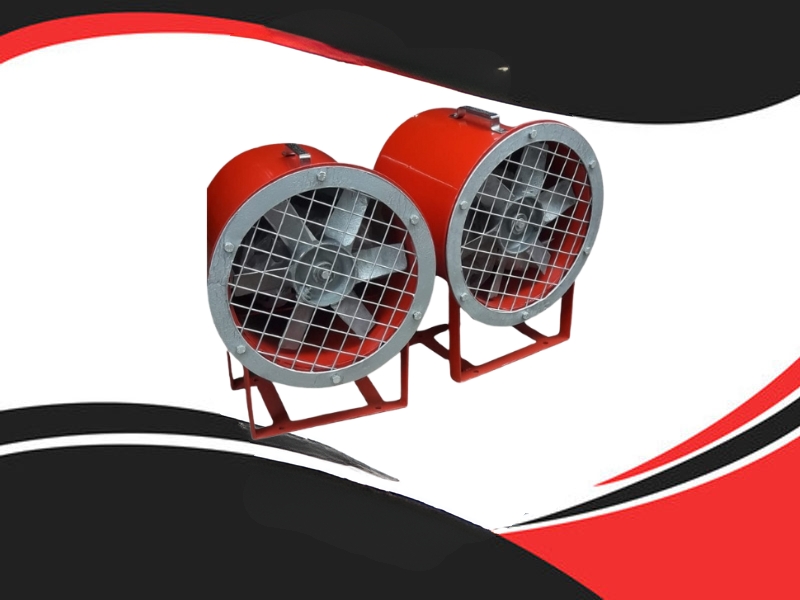
Axial fan
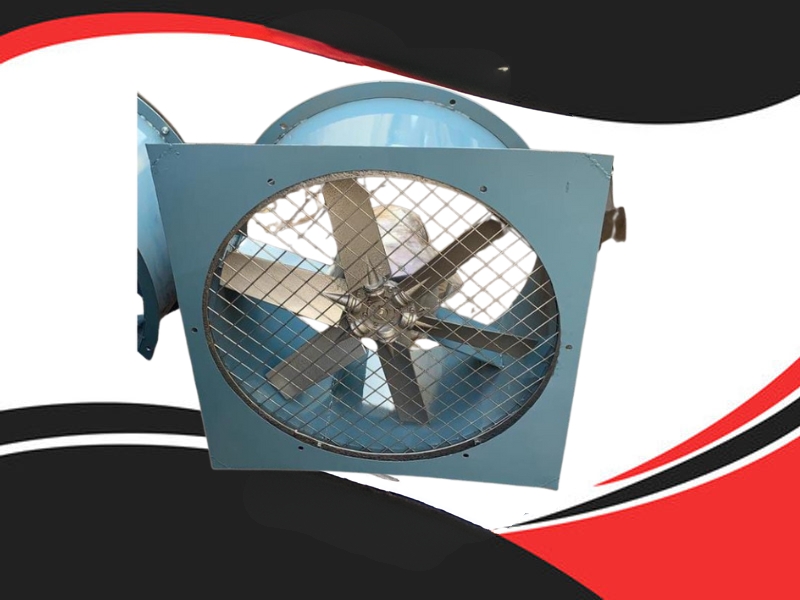
Axial fans
Axial fans can be designed for both indoor and outdoor installations. They are commonly manufactured using steel, aluminum, or composite materials. Corrosion-resistant coatings are often applied for harsh industrial environments. These fans can operate efficiently over a wide range of airflow conditions. Variable speed drives can be used to control airflow and reduce energy consumption. Axial fans are suitable for continuous-duty operations. They are capable of handling clean air as well as lightly contaminated air. In some designs, guide vanes are added to improve airflow direction and efficiency. Axial fans generate uniform airflow across large areas. They are ideal for tunnel ventilation and large space air movement. Maintenance requirements are generally low due to simple construction. Bearings and motors are designed for long service life. Axial fans can be wall-mounted, duct-mounted, or roof-mounted. They support both supply air and exhaust air applications. Noise reduction accessories such as silencers can be integrated. These fans are designed to comply with industrial safety standards. They can operate reliably under varying temperature conditions. Axial fans are often used in power plants and manufacturing facilities. Their performance can be customized based on project requirements.